Air duct maintenance • Homeowner guide
Dusty vents? Start with the evidence.
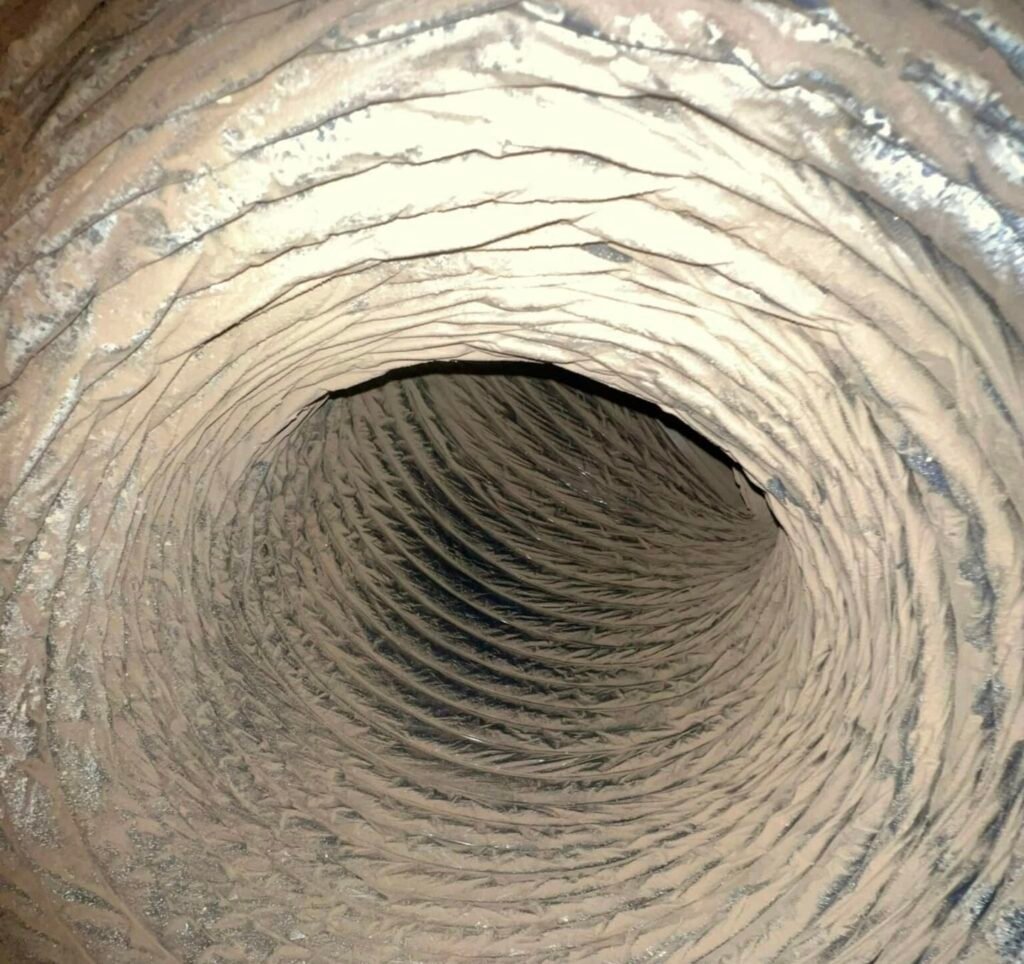
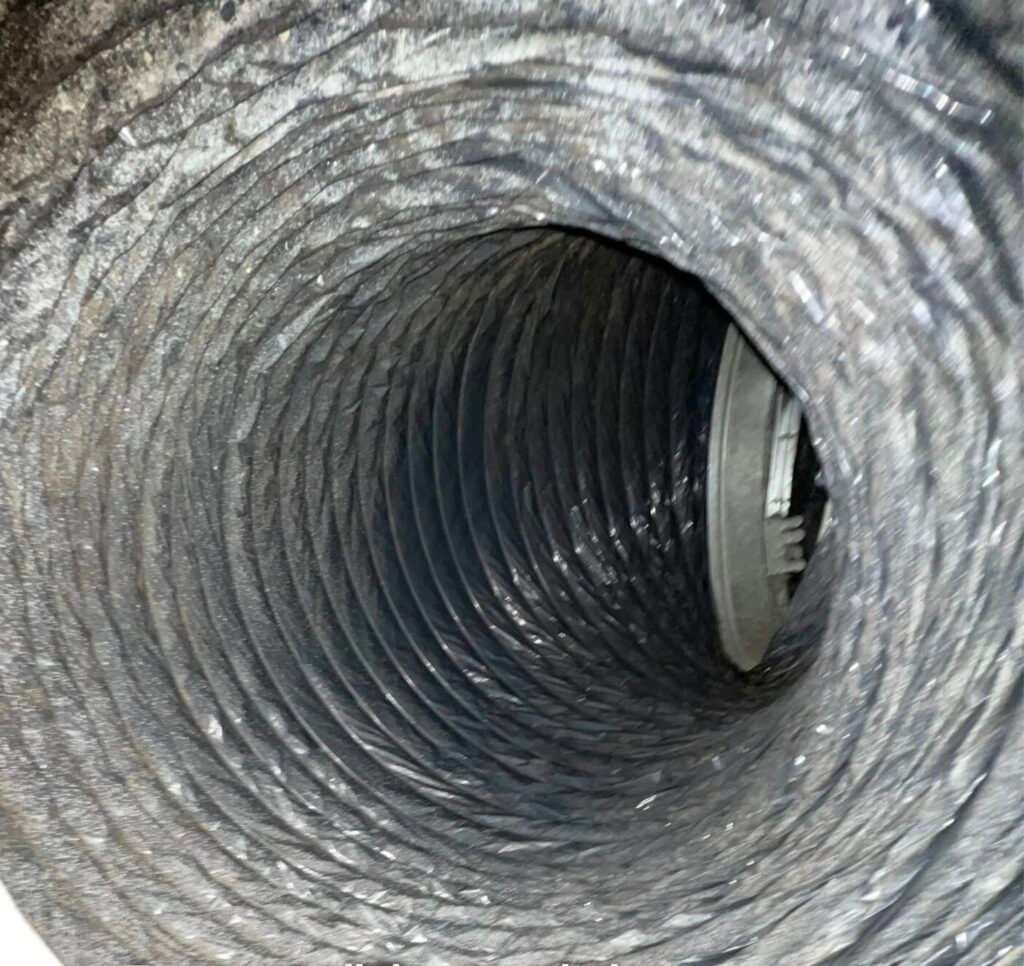
Some signs your air ducts need cleaning deserve an inspection. A dusty grille alone is not enough to make that decision. Before paying for a service, find out what is inside the system and whether cleaning will address the problem you noticed.
Quick answer: heavy deposits, debris released from supply vents, pest contamination, or substantial suspected mold growth warrant assessment. Ask to see the findings and get a written scope before work begins.
By AirDuct ProCare • Practical guidance for homes with ducted heating and cooling
Signs your air ducts need cleaning: what to investigate
Separate what you can observe from what still needs a diagnosis. These situations are useful starting points for a conversation with an inspector.
Particles leave a supply vent
Record which outlet is affected and when it happens. A short video is more useful than saying the house feels dusty. Ask where the material originates and whether other sections are affected.
Pests have entered the system
Arrange assessment of the infestation and entry points. Ask how pest control, repairs, and any necessary cleaning should be coordinated. Avoid disturbing droppings or nesting material yourself.
There is suspected growth
A smell or dark patch does not confirm mold. Moisture sources need correction, and wet or moldy duct insulation may need replacement rather than cleaning.
Debris may have entered during remodeling
Explain what was demolished or sanded and whether vents were protected. Request inspection evidence before treating a renovation as an automatic reason to clean the entire system.
What about ordinary vent dust? Return grilles collect dust as air passes through them. Surface dust alone does not establish heavy contamination farther inside. The EPA's duct-cleaning guidance explains this distinction.
Cleaning, inspection, or another HVAC service?
Describe the symptom before choosing the service. For example, “the back bedroom feels warmer” gives a technician something to investigate; “I need the ducts cleaned” starts with an unconfirmed solution.
| What you notice | What to ask next |
|---|---|
| Dust only on a grille | Is there evidence beyond this visible surface that needs attention? |
| Material coming from an outlet | Can you locate and document the source before recommending cleaning? |
| A persistent odor or suspicious patch | What assessment will identify the source and any moisture problem? |
| One uncomfortable room | Can you investigate airflow and system operation before proposing a cleaning job? |
| The same issue after recent service | What did the previous scope cover, and what remains unexplained? |
AirDuct ProCare offers air duct cleaning, HVAC inspections, and related services . When contacting us, explain the concern so the appropriate work can be discussed.
Five details to collect before an appointment
- Location: note the affected room and outlet.
- Timing: write down whether the issue is constant or happens when the system starts.
- Recent changes: mention building work, leaks, pest activity, or equipment service.
- Photos: capture visible concerns without opening equipment or entering unsafe spaces.
- System and access: share the number of HVAC units and any attic, crawl-space, or locked-area access needs.
Keep previous invoices handy. They can show what was included last time and help avoid paying twice for the same unexplained problem.
What a professional cleaning quote should explain
Two quotes with the same service name may cover different work. Compare the written scope, not just the advertised price.
Before you approve the job
- What evidence supports cleaning?
- Which ducts and HVAC components are included?
- What is excluded or charged separately?
- What is the total, and how are changes approved?
Before the technician leaves
- Can you review what was completed?
- Are before-and-after photos of matching areas available?
- Were any access openings properly closed?
- Are unresolved issues recorded on the invoice?
NADCA describes proper cleaning as loosening contamination and collecting it with continuous negative pressure. It also emphasizes the system's components, because an unaddressed contaminated section can undermine the work.
If chemicals are proposed, ask for the product, purpose, surface compatibility, and separate cost. NADCA says these treatments should be considered only after mechanical cleaning and when there is a demonstrated need.
How often should air ducts be cleaned?
EPA recommends cleaning as needed, not on a universal schedule. An inspection finding is more useful than simply counting years since the last visit.
What cleaning can—and cannot—do
Proper cleaning removes the deposits addressed by the agreed work. It does not fix every comfort complaint or replace repairs. Avoid guarantees of allergy relief, illness prevention, or energy savings from duct cleaning alone.
If an inspection identifies a problem, ask what may happen if it is left unresolved and which work should happen first. Get a clear explanation specific to your system, rather than a general warning designed to rush your decision.
Frequently asked questions
1. How do I know if my ducts need cleaning or just the covers?
Ask the inspector to distinguish surface deposits from conditions inside the system. Photographs should identify the location and explain why any additional work is recommended.
2. Does a musty smell mean I should book duct cleaning?
Book an assessment of the smell's source first. Tell the provider where it is strongest and when it occurs, rather than assuming the odor identifies a particular treatment.
3. Should new homeowners automatically clean the ducts?
Ask the seller for maintenance records and share any specific concerns with an inspector. A change of ownership does not document the system's condition.
4. Is air duct cleaning worth it after remodeling?
Ask whether construction material actually entered the ductwork. Explain the work performed and request a scope based on the findings.
5. What if the vents were cleaned recently but the problem remains?
Review the invoice and contact the provider with the continuing symptom. Ask what was assessed, what was excluded, and whether another diagnosis is needed.
6. How much should air duct cleaning cost?
Request a written quote for your system. Share the number of units, approximate home size, access conditions, and known concerns. Compare inclusions and exclusions before comparing totals.
7. Can I clean deep inside the ducts myself?
Limit routine care to accessible surfaces covered by your equipment instructions. Leave concealed sections, equipment disassembly, and suspected contamination to qualified professionals.
8. Should sanitizing be included in every cleaning?
Ask for a specific justification and product details before approving treatment. Do not assume an added chemical is necessary just because it is offered as part of a package.
9. What should before-and-after photographs show?
Ask for the same identifiable locations in both sets. A close-up without context is less useful than clearly labeled images connected to the agreed scope.
10. How do I prepare for an air duct service appointment?
Confirm access needs, expected duration, and who authorizes extra work. Tell the provider about pets, occupied rooms, and hard-to-reach equipment. See our service FAQs for more booking information.
Get a clearer answer about your air ducts
Tell AirDuct ProCare what you have noticed. Our services are backed by 20 years of industry experience. We are licensed, insured, and bonded, with no upfront payment and no hidden charges.
Call +1 (929) 589-1336
Email: info@airductprocare.com